UX Research
Product Design
UX Research in Uganda — exploring hybrid learning through Moodle
Responsibilities
Product Design, Strategy, Branding, No-Code Development
Timeline
3 months
Overview
This UX research project explored how Moodle, a learning management system (LMS), could support hybrid education at Gulu University in Uganda. The goal was to understand how digital tools could effectively complement traditional classroom teaching and improve the learning experience for both students and instructors.
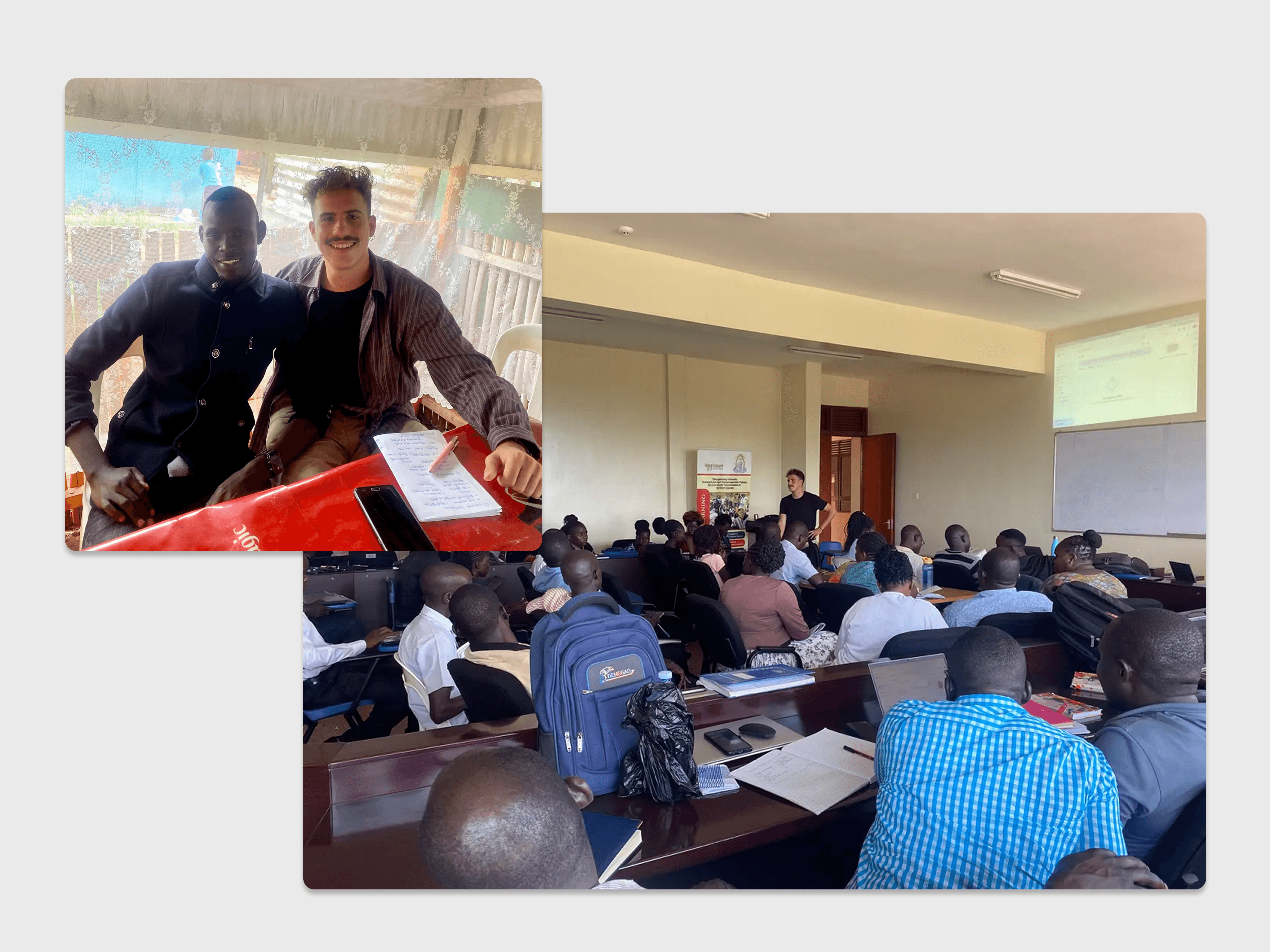
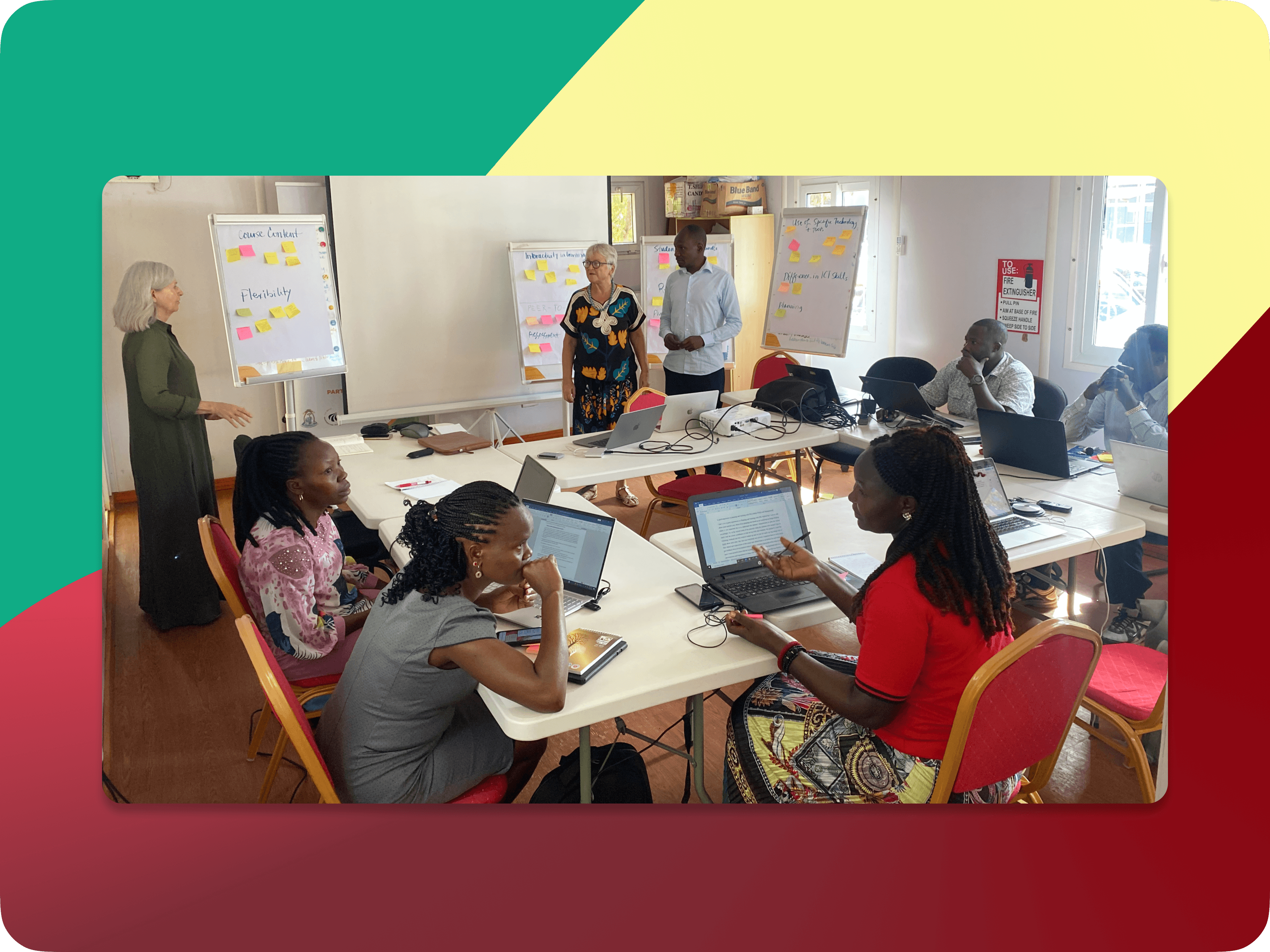
As part of a collaboration between Aalborg University and Gulu University, I conducted on-site UX research to evaluate Moodle’s usability, identify barriers to adoption, and generate insights that could guide the integration of hybrid learning practices across the university.
Project highlights
Led on-site UX research with students, instructors, and the university IT department.
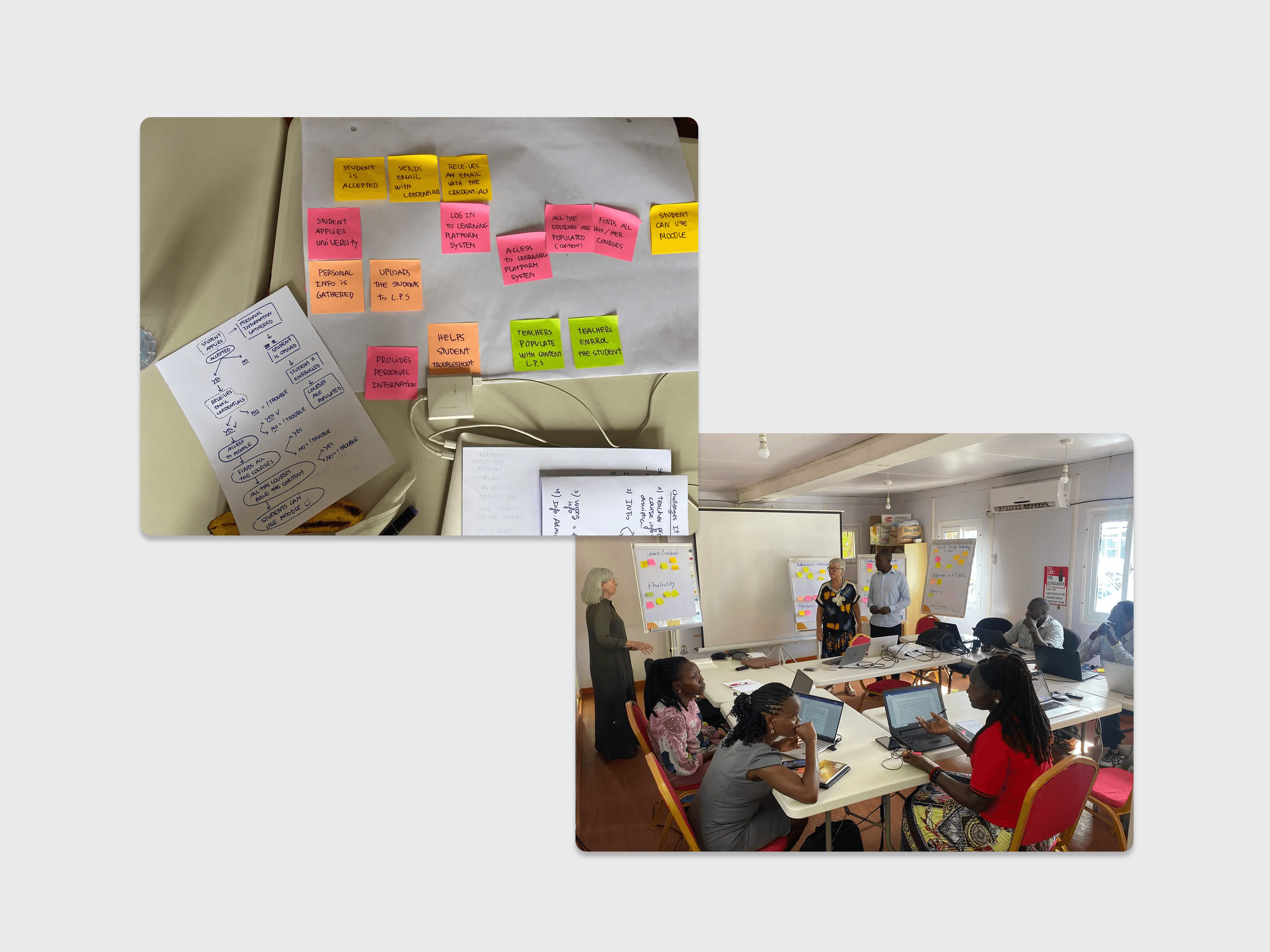
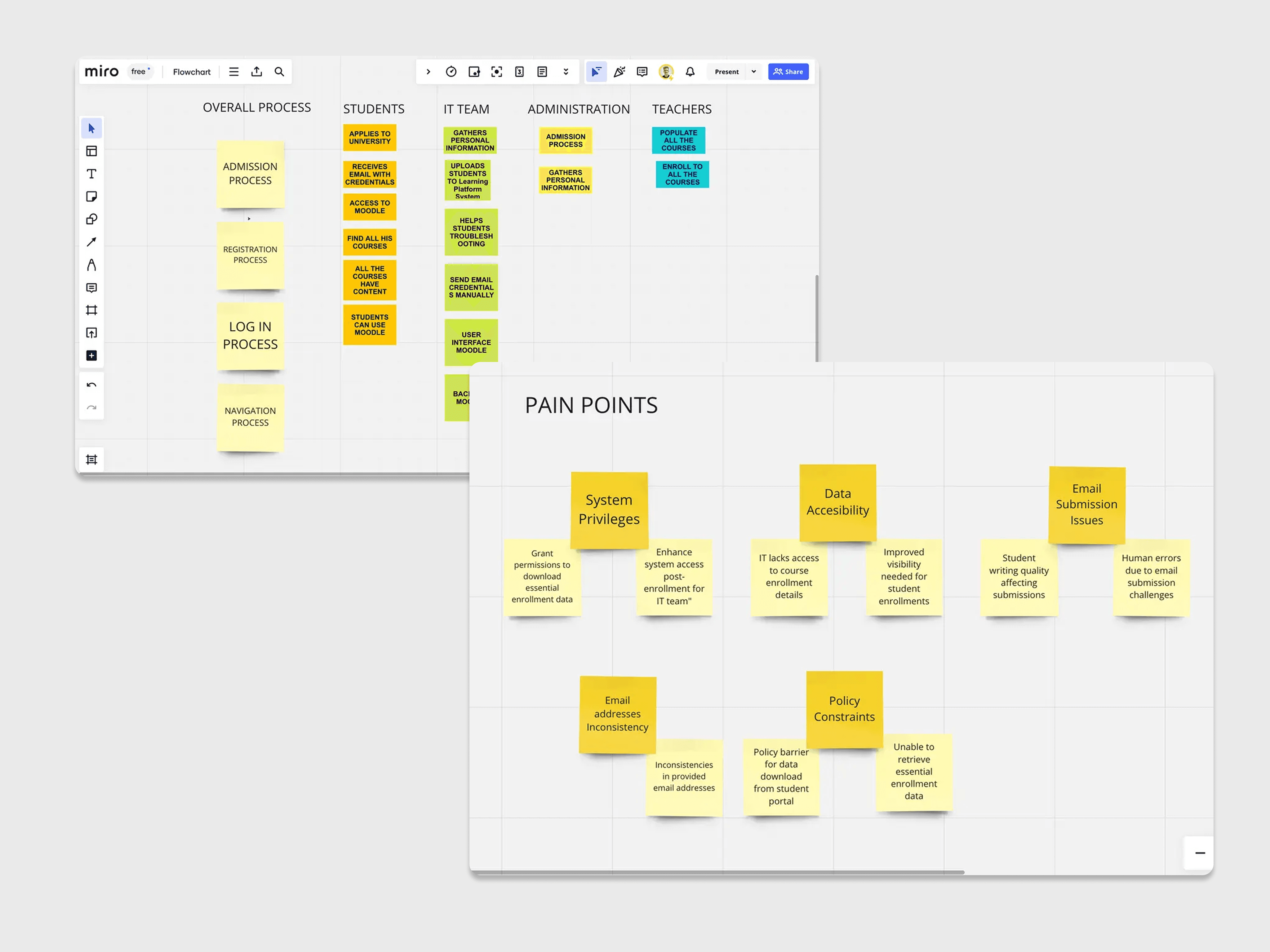
Used interviews, surveys, observation, and participatory workshops to examine hybrid-learning needs.
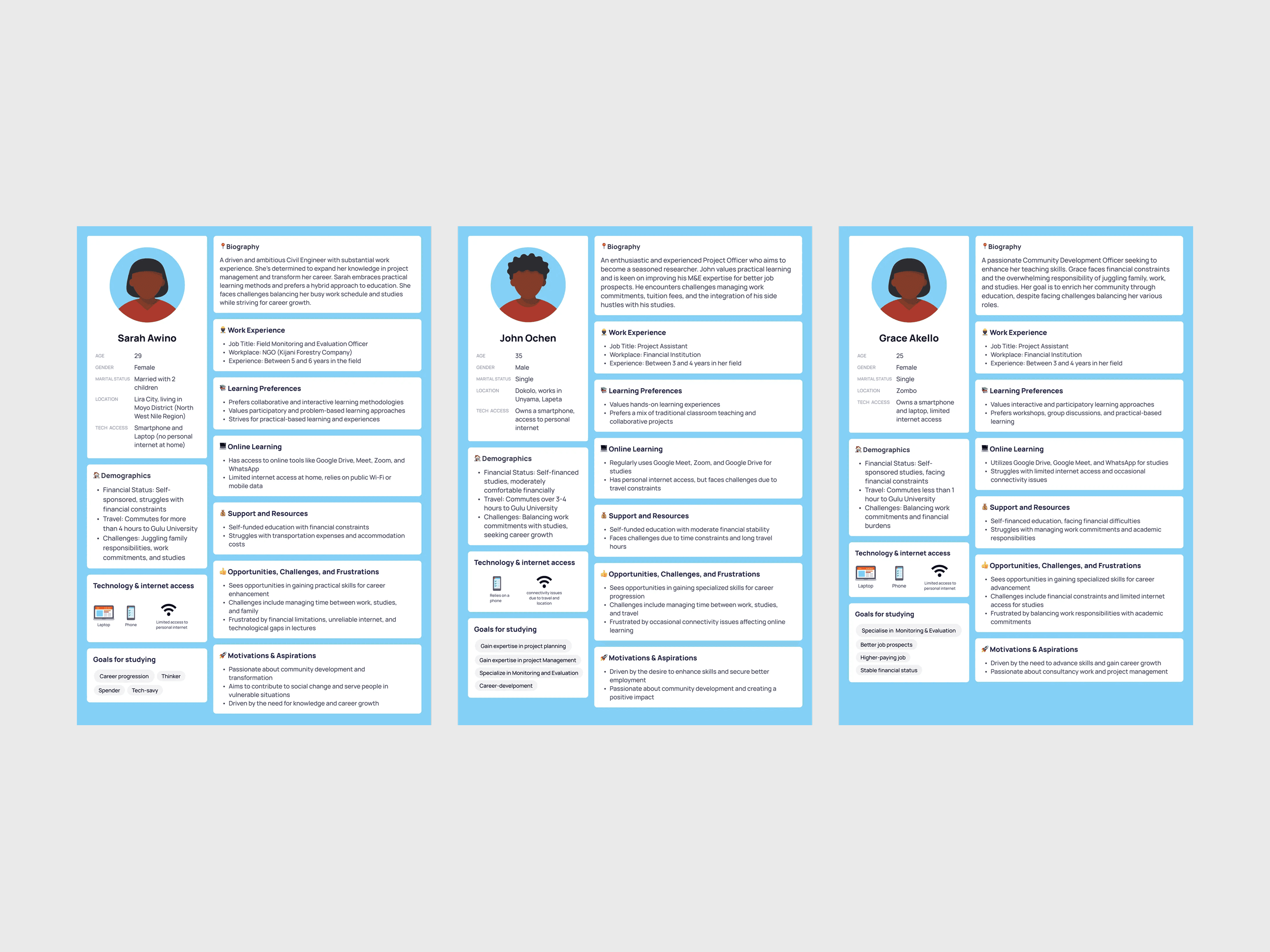
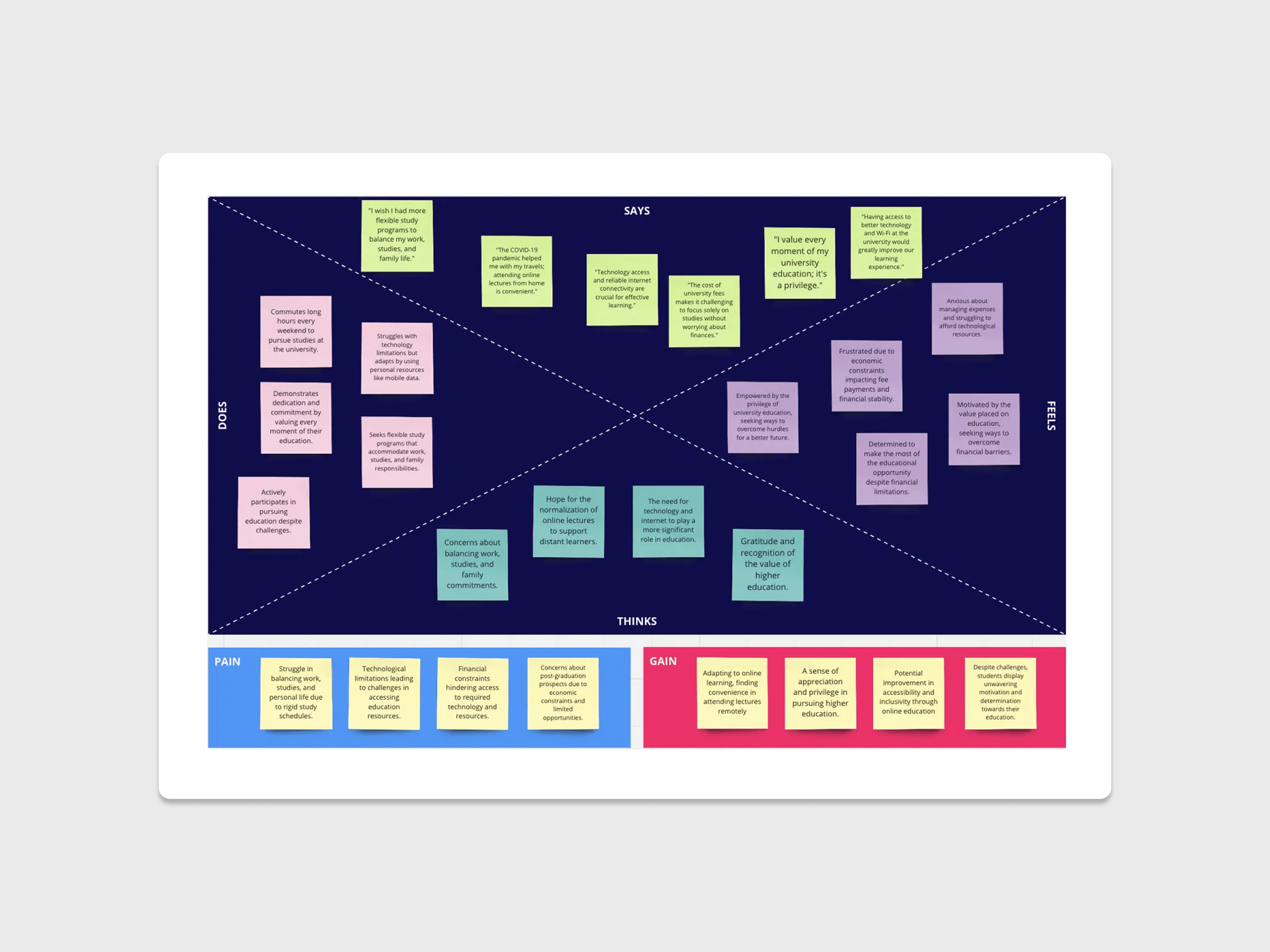
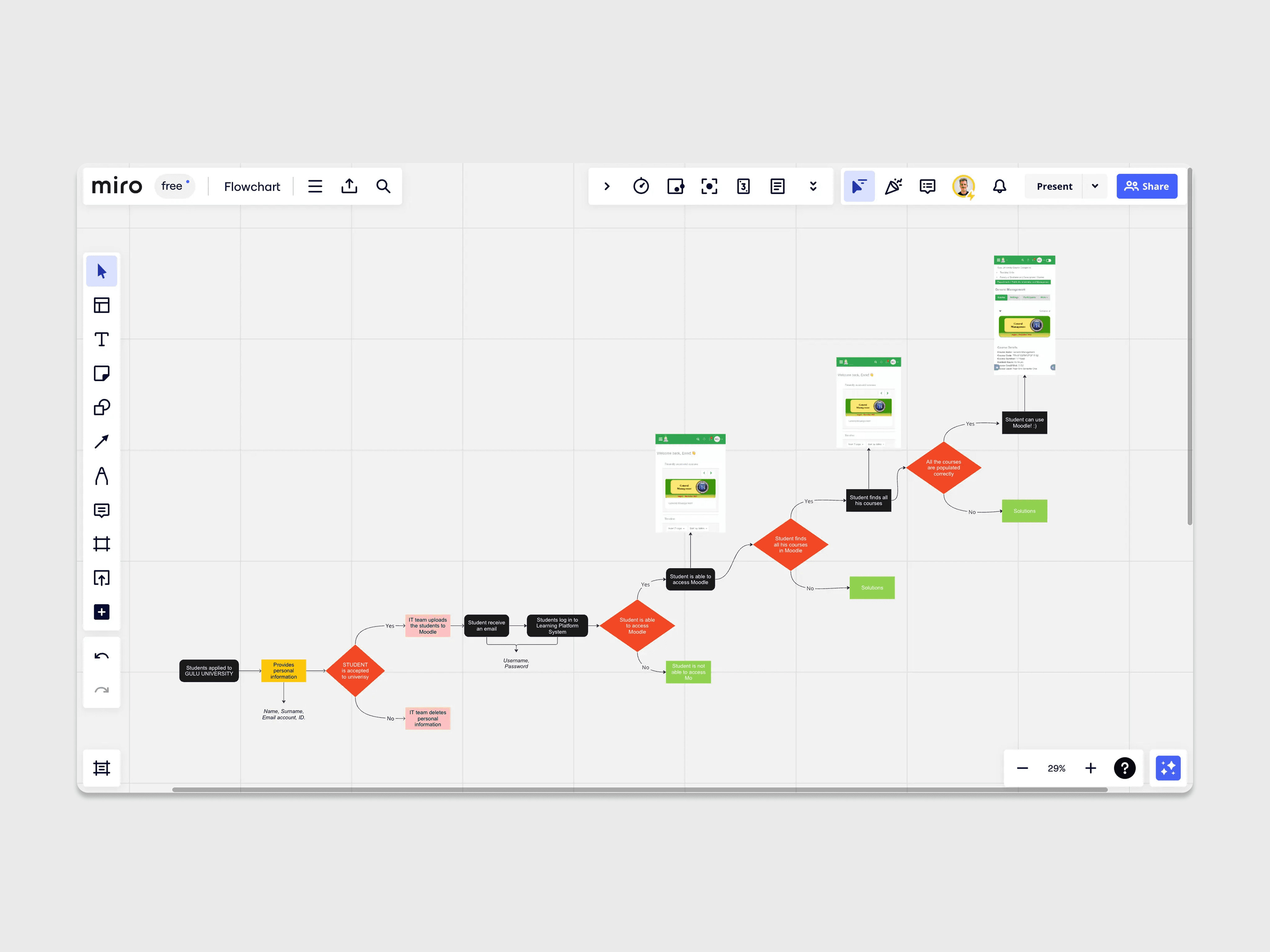
Synthesized findings into personas, empathy maps, and task analysis to guide future Moodle improvements.
The challenge
Gulu University aimed to introduce hybrid education by integrating Moodle into its teaching model, but the university lacked insight into how students and instructors were actually experiencing the platform. While Moodle offered powerful capabilities, it was unclear whether the system was meeting users’ needs or supporting effective teaching and learning.
Without a deeper understanding of usability challenges, digital literacy levels, and real classroom workflows, the university risked implementing technology that could create additional friction rather than improving the educational experience.
My role
As a UX Researcher from Aalborg University, I led the discovery phase of the project, focusing on understanding how students and instructors interacted with Moodle and identifying opportunities to improve the hybrid learning experience. My work centered on collecting both qualitative and quantitative insights that could inform future design and implementation decisions.
This involved working closely with students, teachers, and the university’s IT department to investigate user needs, uncover usability challenges, and ensure that research findings reflected the realities of teaching and learning in this context.
Process
I followed a User-Centered Design approach, combining interviews, surveys, direct observation, and participatory workshops to build a comprehensive understanding of the user experience. Through interviews and ethnographic research with students and instructors, I explored how Moodle was used in practice and identified challenges related to navigation, accessibility, and digital literacy.
To deepen these insights, I facilitated co-design workshops with teachers and the IT department to collaboratively explore pain points and potential improvements. The research findings were synthesized into personas, empathy maps, and task analysis diagrams, helping translate user insights into actionable opportunities for improving the hybrid learning model.
Outcome
The research provided valuable insight into how Moodle was experienced by both students and instructors and revealed key challenges affecting the adoption of hybrid learning. The findings highlighted usability issues within the platform, gaps in digital literacy among students, and opportunities to better align Moodle’s functionality with real teaching workflows.
These insights helped inform future design and implementation decisions, providing a foundation for improving how Moodle supports hybrid education at Gulu University and ensuring that digital tools better serve the needs of both teachers and students.
Key design decisions
Reflection